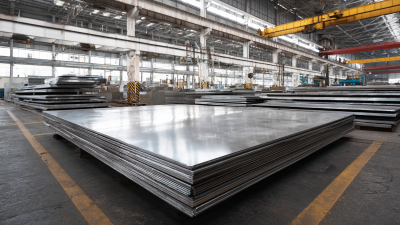
So, when it comes to material science, the 6061 Aluminum Sheet really stands out for how versatile it is. Dr. Sarah Thompson, who's a well-known expert over at MetalWorks Inc., points out that, "The 6061 Aluminum Sheet totally changes the game in many industries thanks to its lightweight nature combined with solid strength." No wonder it's such a hit among engineers and manufacturers alike.
You’ll see this aluminum sheet popping up in all sorts of areas—automotive, aerospace, even construction. Its resistance to corrosion makes it especially great for outdoor stuff. Plus, with its mix of being strong but still fairly easy to shape, it’s pretty much a go-to for different fabrication needs. But, heads up—it's important to know that it's not a one-size-fits-all solution. Sometimes, another alloy might actually do the trick better.
A lot of industries miss the subtle details when it comes to picking the right material, which can be a real missed opportunity. Understanding exactly what a project needs is pretty crucial. Sure, 6061 Aluminum Sheet is super adaptable, but making sure it’s the right fit can save you a lot of time, money, and frustration down the road. Often, taking a closer look at what these materials can really do leads to much better results. Using 6061 is kind of a journey—learning its quirks and strengths and knowing when to use it is part of the process.

Overview of 6061 Aluminum Sheet Properties and Characteristics
6061 aluminum sheet is widely used in various industries due to its excellent properties. This alloy is known for its lightweight yet durable nature. It exhibits good corrosion resistance and can withstand various environmental conditions. With a tensile strength of around 310 MPa, it is ideal for structural applications.
The material features a good fatigue strength and is easily weldable. It can be machined to high precision, making it perfect for intricate designs. The versatility of 6061 aluminum sheet is recognized in aerospace, automotive, and construction sectors. Reports indicate that its demand has surged by over 25% in the past five years, highlighting its growing importance.
Tips: When using 6061 aluminum, consider its heat treatment options. This can enhance its strength significantly. Additionally, always check for surface finish requirements, as they may affect performance. If working with it for the first time, don't rush. It's essential to understand its characteristics to avoid costly mistakes. Familiarize yourself with its limits to optimize its use effectively.
Common Industries Utilizing 6061 Aluminum Sheets
6061 aluminum sheets are widely used across various industries due to their strength and versatility. The construction industry often employs these sheets in structural applications like beams and bridges. Their lightweight nature is a significant advantage. This material is also resistant to corrosion, making it suitable for outdoor projects.
In the automotive sector, 6061 aluminum sheets are used for body panels and frames. They help reduce vehicle weight, improving fuel efficiency. Furthermore, manufacturers appreciate the ease of fabrication. The aerospace industry also benefits from these sheets, utilizing them in aircraft components. This demanding sector relies on materials that meet strict safety standards.
Despite its many applications, some challenges exist with 6061 aluminum sheets. They can warp under high heat, impacting their structural integrity. Additionally, achieving a perfect finish can be difficult. Manufacturers must pay attention to detail during processing. With continued refinement, these issues may improve over time.
Top 10 Uses of 6061 Aluminum Sheet
| Use Case |
Industry |
Description |
Thickness Range (inches) |
Common Sizes (inches) |
| Aircraft Components |
Aerospace |
Used in aircraft structures for its strength and lightweight properties. |
0.025 - 0.125 |
48 x 96 |
| Bicycle Frames |
Recreational |
Lightweight and strong material ideal for bicycle construction. |
0.060 - 0.100 |
24 x 60 |
| Automotive Parts |
Transportation |
Utilized in car frames and parts for improved fuel efficiency. |
0.040 - 0.200 |
60 x 120 |
| Marine Applications |
Marine |
Corrosion resistance makes it suitable for boats and ships. |
0.020 - 0.125 |
48 x 120 |
| Structural Frames |
Construction |
Used in building frameworks and supports due to strength-to-weight ratio. |
0.125 - 0.500 |
36 x 96 |
| Heat Exchangers |
Manufacturing |
Excellent thermal conductivity makes it essential for heat exchangers. |
0.032 - 0.125 |
48 x 144 |
| Railroad Components |
Rail Transportation |
Durability makes it useful for railway parts and systems. |
0.050 - 0.200 |
48 x 120 |
| Electrical Enclosures |
Electronics |
Its non-magnetic nature makes it ideal for housing electronic components. |
0.020 - 0.125 |
24 x 36 |
| Furniture Manufacturing |
Furniture |
Used in making lightweight and modern furniture designs. |
0.040 - 0.160 |
48 x 96 |
Fabrication Techniques for Working with 6061 Aluminum Sheet
Working with 6061 aluminum sheet requires understanding its fabrication techniques. This versatile alloy is popular due to its excellent corrosion resistance and weldability. It can be easily machined and formed, making it suitable for various applications. With industry reports indicating a steady growth rate of 5% in the aluminum market, the demand for 6061 continues to rise.
One common technique is bending. 6061 aluminum can be bent with minimal effort using press brakes. However, achieving sharp bends can be tricky. The material may crack if bent too sharply. It’s important to follow recommended bending radii. Also, using the correct tooling is essential for preventing defects.
Welding is another key technique. Gas Tungsten Arc Welding (GTAW) is often preferred for its precision. However, proper preheating is crucial. This reduces the risk of warping and distortion. Additionally, beginners often struggle with maintaining a consistent bead. Therefore, practice is vital. A detailed understanding of the parameters will yield better results. Reports indicate that improper welding techniques can lead to up to 30% of material failure during fabrication.
Advantages of Using 6061 Aluminum Sheet in Construction
When it comes to construction, 6061 aluminum sheets offer numerous advantages. Their corrosion resistance is a key factor. This makes them suitable for various outdoor applications. This material endures harsh weather without compromising strength. A structure using 6061 aluminum will last longer.
Another noteworthy benefit is its lightweight nature. This characteristic simplifies transportation and installation. Workers can lift and maneuver these sheets easily. However, care is needed. Overloading them can lead to structural issues. Ensure proper support is in place to prevent accidents.
Tips: Always source your aluminum sheets from reliable suppliers. Check for certifications to guarantee quality. Additionally, consider the sheet’s thickness based on your project requirements. Adjusting the thickness may impact overall performance. Proper planning is essential. Sometimes, less effective dimensions can lead to problems later on.
Applications of 6061 Aluminum Sheets in Automotive Manufacturing
6061 aluminum sheets are widely used in automotive manufacturing. Their versatility makes them a favorite choice for car components. The alloy's good mechanical properties provide strength and durability. Moreover, it possesses excellent corrosion resistance, crucial for vehicles exposed to harsh conditions.
Consider the chassis of a vehicle. It often utilizes 6061 aluminum because of its lightweight characteristics. Weight reduction improves fuel efficiency. But, heavy-duty applications might require additional reinforcement. Balance is key in this context.
**Tip:** Always consult with professionals to ensure the proper thickness and temper of the aluminum sheet for your project. Estimating the right specifications can prevent future complications.
Another application is in making brackets and frames. 6061 aluminum allows for intricate designs without adding excessive weight. However, it can be challenging to weld. Proper techniques must be used. Otherwise, the structural integrity may be compromised.
**Tip:** Ensure adequate training for your team on welding techniques. It's essential to achieve a seamless and sturdy joint.
In the context of automotive parts, details matter. Focusing on precise measurements can enhance overall performance. Regular reflection on methods and materials will lead to improvements.
Top 10 Uses of 6061 Aluminum Sheet in Automotive Manufacturing
Innovative Uses of 6061 Aluminum Sheets in Aeronautics
In the world of aeronautics, 6061 aluminum sheets play a vital role. Their lightweight nature helps reduce aircraft weight. This directly improves fuel efficiency. Engineers value 6061 for its strength and weldability. It’s a top choice for structural components. The material can withstand harsh conditions, making it ideal for aerospace applications.
Aircraft parts made from 6061 aluminum sheets include fuselage frames and wing ribs. These components demand both durability and precision. The production process should ensure quality and consistency. Sometimes, unexpected challenges arise during fabrication. Aluminum sheets may warp under certain conditions. Engineers need to consider these factors.
Innovative designs often push the limits of 6061 sheets. Many aeronautical projects explore complex geometries. This creates opportunities but also challenges in manufacturing. Balancing weight reduction and structural integrity is crucial. While 6061 aluminum has many benefits, it’s essential to analyze its limitations too.
Environmental Impact and Sustainability of 6061 Aluminum Sheets
6061 aluminum sheets are known for their versatility and strength. However, their environmental impact is significant. The production of aluminum is energy-intensive. It typically consumes around 14.5 MWh per ton. This high energy usage leads to a substantial carbon footprint.
Recycling offers a solution. Approximately 90% of the energy used in primary aluminum production can be saved by recycling. In fact, recycled aluminum uses 95% less energy. It reduces greenhouse gas emissions drastically. Reports suggest aluminum recycling can be done repeatedly without quality loss.
Despite these benefits, challenges exist. The recycling rate for aluminum in the U.S. is only about 50%. Many consumers are unaware of how to recycle aluminum properly. Awareness campaigns could help improve this rate. Striving for sustainability requires collective effort. Observing proper recycling practices is crucial for future generations.
Comprehensive Guide to Purchasing 6061 T6 T651 Aluminum Sheets: Key Features and Buying Tips
When considering the purchase of 6061 T6 T651 aluminum sheets, it's essential to understand the key features that make this material highly sought after in various industries. The 6061 aluminum alloy is known for its excellent mechanical properties, offering a good balance of strength, weight, and corrosion resistance. The T6 and T651 tempering processes enhance the alloy's strength and durability, making it an optimal choice for structural applications where reliability is crucial.
Potential buyers should also pay close attention to the range of diameters available, which can vary from 3.0mm to 500mm. This versatility ensures that customers can find the perfect fit for their specific projects, whether they require thin sheets for intricate designs or thicker materials for robust structural components. Additionally, when purchasing, it's wise to consider factors such as sourcing from reputable suppliers and verifying material certifications to ensure the quality and suitability of the aluminum sheets for intended applications.
FAQS
: It enhances productivity and simplifies tasks effectively. Users report saving time on daily activities.
It's suitable for individuals and teams alike. Both beginners and experts have found it helpful.
Setting it up takes minutes. Basic tutorials guide users through the initial setup smoothly.
Support is available via multiple channels. Users often share solutions in online communities.
Some users experience initial confusion with features. Learning curves are common, but users adapt over time.
Yes, customization options are available. Users can tailor settings to fit specific needs and preferences.
Conclusion
The article "Top 10 Uses of 6061 Aluminum Sheet What You Need to Know" provides a comprehensive overview of 6061 aluminum sheet, highlighting its unique properties and characteristics that make it a versatile material in various industries. Commonly utilized in construction, automotive manufacturing, and aeronautics, 6061 aluminum sheets are favored for their excellent corrosion resistance, weldability, and lightweight nature.
The article also discusses various fabrication techniques applied to 6061 aluminum sheet, emphasizing the advantages it brings to construction projects, such as improved structural integrity and durability. Innovative applications in aeronautics further demonstrate the material's adaptability, while considerations around environmental impact and sustainability reinforce the growing significance of 6061 aluminum sheets in modern manufacturing practices.