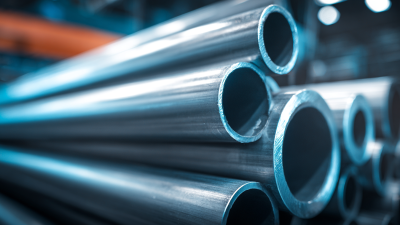
Picking the right aluminum square tube for your project can actually be more tricky than you might think. The kind you go with really affects things like durability and how well it performs overall. I just want to help make that decision a little easier for you. This guide is here to simplify the process so you don’t get overwhelmed.
Aluminum square tubes are pretty much everywhere—you see them in construction, automotive stuff, you name it. Their versatility is pretty much unmatched. But here’s the thing: not all of these tubes are created equal. Things like the size, wall thickness, and alloy type really matter and can make a big difference. Getting a good handle on these details can seriously impact whether your project turns out successful or not.
Working with aluminum square tubes can sometimes highlight their pros and cons. It’s super important to match the tube’s specs with what you actually need for your project. If you pick the wrong one, you might run into surprises or setbacks. So, thinking about what you actually want to do with it beforehand will definitely help you end up with better results.
When selecting an aluminum square tube, understanding its specifications is crucial. Aluminum square tubes come in various sizes and thicknesses. Common dimensions include 1x1, 2x2, and 3x3 inches, and they can range in wall thickness from 1/16 to 1/4 inches. These measurements affect the tube's strength and weight. The choice largely depends on the requirements of your project, including load capacity and structural integrity.
Another important specification is the alloy composition. Different aluminum alloys offer unique benefits. For example, 6061 aluminum is known for its good mechanical properties. It is often chosen for applications requiring corrosion resistance. Additionally, surface treatments, such as anodizing, can enhance durability and aesthetic appeal. However, over-relying on specific alloys may lead to overlooking alternative options that could suit your needs better.
Consider the intended use of the aluminum square tube. If it will be exposed to harsh environments, opt for thicker walls to enhance strength. Keep in mind that cost is also a factor. While cheaper options might seem attractive, they often compromise on quality, leading to potential failures. In the pursuit of the right choice, reflect on your project’s long-term implications. Balancing specifications and budget requires a careful, thoughtful approach.
When selecting aluminum square tubes, several key factors must be considered. The first is the alloy type. 6061 and 6063 are the most common alloys in construction. According to the Aluminum Association, 6061 offers higher strength, while 6063 has a better finish. Your project’s needs dictate which alloy is more suitable. For example, a structural application may prefer 6061 for its added strength.
Weight and dimension are also critical. Aluminum square tubes typically range from 1 inch to 6 inches in size. It's essential to choose a size that matches your design requirements without adding unnecessary weight. A report from the Aluminum Extruders Council notes that aluminum is about one-third the weight of steel, which can significantly reduce transportation costs.
Another factor is corrosion resistance. Aluminum naturally forms an oxide layer that protects it from rust. However, in specific environments, coatings may be required. Proper treatment can enhance performance in marine or industrial settings. Awareness of these factors ensures a better selection process, enabling project success while avoiding mistakes linked to material misjudgment.
| Dimension (inches) | Wall Thickness (inches) | Weight (lbs/ft) | Yield Strength (psi) | Common Applications |
|---|---|---|---|---|
| 1" x 1" | 0.065 | 0.66 | 35,000 | Frames, Railing |
| 2" x 2" | 0.125 | 1.29 | 40,000 | Support Structures, Furniture |
| 3" x 3" | 0.125 | 1.78 | 40,000 | Heavy Duty Racks, Outdoor Structures |
| 4" x 4" | 0.125 | 2.34 | 40,000 | Beams, Columns |
| 6" x 6" | 0.125 | 3.66 | 40,000 | Structural Applications |
Aluminum square tubes are versatile in various industries. Their lightweight yet sturdy design makes them ideal for structural applications. A report by the Aluminum Association indicates that 75% of aluminum is recycled, which enhances its appeal in sustainable construction practices.
In the automotive sector, aluminum square tubes support weight reduction initiatives. Engineers aim to reduce vehicle mass for improved fuel efficiency. Additionally, these tubes are widely used in manufacturing equipment frames. The strength-to-weight ratio is critical here. A study revealed that using aluminum can cut down equipment weight by 30% or more.
In the building and construction sector, aluminum square tubes find their way into scaffolding and support structures. With a lifespan exceeding 50 years, they endure harsh environmental conditions. Yet, challenges remain. Designers sometimes face difficulties in achieving the desired aesthetic while maintaining structural integrity. Balancing form and function requires careful consideration.
When selecting an aluminum square tube, understanding the alloy's strength and durability is vital. Different aluminum alloys exhibit distinct characteristics. For instance, 6061 aluminum is known for its excellent corrosion resistance and weldability. It offers a good balance of strength and weight, making it a popular choice in construction. However, it may not perform as well in extreme temperatures.
In contrast, the 6063 alloy is favored for architectural applications due to its aesthetic appearance and high corrosion resistance. A report by the Aluminum Association indicates that 6063 has a tensile strength of about 240 MPa. This strength makes it suitable for various structural applications, but it lacks the hardness of 6061. In some scenarios, this could lead to unexpected failures if not properly considered.
Another option is 7075 aluminum, which features the highest strength among the common alloys. It reaches a tensile strength of around 570 MPa, making it ideal for heavy-duty applications. However, the trade-off is its lower corrosion resistance. In environments with high humidity or salt exposure, the durability may diminish. Engineers must weigh these factors carefully to avoid potential failures in design.
Calculating the load-bearing capacity of aluminum square tubes is essential for any construction project. The first step is to determine the dimensions of the tube. Know the wall thickness and the square profiles. A thicker wall generally offers more strength, but it also adds weight. This balance is crucial in applications where weight is a concern.
Once you have your dimensions, use the formula for moment of inertia, which factors in both the outer and inner dimensions. This calculation helps in understanding how much load the tube can support when subjected to bending. It's vital to consider the type of load—static or dynamic—as aluminum behaves differently under varying conditions.
Failures in load calculations can lead to structural issues. Always test with real-world scenarios. Many projects face unforeseen stress that may not align with calculated results. Regular reviews will keep your project aligned with safety standards. Redundancies in design can also offer additional stability. A thoughtful approach will ensure your project not only meets the requirements but remains safe and reliable.
When selecting aluminum square tubes, understanding industry standards is critical. Key standards include ASTM B221 for extruded aluminum shapes, including square tubes. This standard ensures that the materials meet rigorous specifications for mechanical properties and dimensional tolerances. Compliance with these standards is essential for structural integrity in applications ranging from construction to manufacturing.
Certifications such as ISO 9001 play an important role in quality assurance. Companies with ISO certification have demonstrated a commitment to quality management systems. Furthermore, the American Architectural Manufacturers Association (AAMA) offers guidelines for architectural aluminum products. These certifications provide assurance that the aluminum tubes have been tested for durability and performance in environmental conditions. Yet, many suppliers may not openly display these certifications, raising concerns about their compliance.
Quality assurance varies greatly, making it necessary to ask for documentation. Not all aluminum products meet the same standards, which can affect performance. Reviews and industry reports show that projects using certified aluminum tubes often experience fewer failures. This highlights the need for careful selection based on verifiable data rather than assumptions. Proper certification can prevent costly setbacks and enhance project reliability.
When budgeting for aluminum square tubes, understanding costs is crucial. Prices vary based on dimensions and alloy. Generally, a thicker and larger tube will cost more. However, it is essential to balance quality and budget. Cheap options might save money upfront, but they can lead to higher costs later due to durability issues.
Consider project specifications closely. Evaluate the necessary strength and weight requirements. Lower cost alternatives can sometimes fail under stress. Inadequate materials can require replacements or additional modifications, increasing overall expenses. Always weigh the upfront investment against long-term reliability.
Consulting industry experts can help make informed decisions. They can provide valuable insights into price trends and material performance. Additionally, researching suppliers can reveal hidden costs, such as shipping and handling fees. Ensuring you factor in these details will create a more accurate budget. Crafting a well-rounded financial plan will ultimately serve your project's best interests.
The impact of 6061 T6 aluminum alloy on bicycle frame performance is a subject of significant interest among cycling enthusiasts and engineers alike. Known for its excellent mechanical properties, 6061 T6 aluminum combines strength and weight savings, making it an ideal material for high-performance bike frames. According to industry reports, the yield strength of 6061 T6 can reach as high as 350 MPa, while its ultimate tensile strength is typically around 310 MPa. This allows manufacturers to design frames that can withstand the stresses of rigorous cycling conditions without adding unnecessary weight.
In terms of dimensions, 6061 T6 aluminum can be fabricated into tubes with diameters ranging from 15mm to 160mm, which provides versatility in the design of different bicycle frame geometries. The use of larger diameter tubes contributes to improved stiffness and strength, enhancing the overall performance of the bicycle during aggressive riding. Data-driven studies have shown that bicycles made from 6061 T6 aluminum can provide superior handling and acceleration due in part to the material's favorable strength-to-weight ratio.
Moreover, the aging process involved in T6 tempering increases the hardness of the alloy, ensuring durability during frequent use. Reports indicate that frames constructed from this alloy can endure thousands of kilometers of travel, retaining performance levels that appeal to both casual riders and competitive cyclists. Emphasizing the ergonomic potential of 6061 T6 beyond just weight savings, many designers are exploring new frame designs that capitalize on the material's high resilience and versatility.
: Aluminum square tubes often come in sizes like 1x1, 2x2, and 3x3 inches.
Wall thickness impacts strength and weight. Thicker walls enhance strength, especially for heavy loads.
Different alloys offer varying benefits. For example, specific alloys resist corrosion better than others.
Anodizing is a common treatment that increases durability and improves aesthetics.
Thicker walls are advisable for outdoor projects, as they better withstand harsh environments.
Cheaper options may save money but can compromise quality, leading to potential failures over time.
They are used for weight reduction, which enhances fuel efficiency and overall vehicle performance.
Designers must balance aesthetics with structural integrity. Achieving the right look can be challenging.
They often exceed a lifespan of 50 years, making them durable for various structures.
Around 75% of aluminum is recycled, making it a sustainable choice for construction projects.
When selecting the right Aluminum Square Tube for your project, it is essential to understand the specifications that define its properties, such as size, thickness, and alloy composition. Key factors to consider include the intended application, load requirements, and environmental conditions, as these will significantly influence your choice.
Aluminum Square Tubes are widely used across various industries due to their strength, lightweight nature, and resistance to corrosion. Comparing different aluminum alloys is crucial for ensuring the desired strength and durability. Additionally, calculating the load-bearing capacity and adhering to industry standards and certifications are integral to the design process. Finally, conducting a cost analysis will help budget appropriately for your project, ensuring you select the most effective Aluminum Square Tube solution.