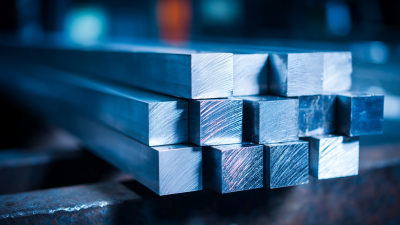
You know, the demand for aluminum profiles has really been picking up around the world lately. As industries change and grow, picking the right profiles can make a big difference in how efficient and durable your projects turn out. Whether you're into construction or manufacturing, aluminum profiles are super versatile and sturdy—no doubt about that. But here’s the thing: not all profiles are created equal, so you’ve gotta pick wisely.
Come 2026, the market is quite crowded, and it can be a bit overwhelming to navigate. You’ve got all these manufacturers, and they all have different quality standards, designs, and uses. Big names like Hydro and Alucoat are known for pushing innovation and sticking to sustainable practices, which is pretty awesome. That said, don’t overlook smaller brands—they might surprise you with some really unique options. The trick is, you really need to evaluate each one carefully.
Understanding what you specifically need is key. Things like weight, strength, and cost are huge factors—yet, a lot of folks tend to overlook how important these details really are. In 2026, making smart, informed choices isn’t just helpful—it’s essential. That’s what this guide is here for—to shed some light on the best aluminum profiles out there right now, so you can make the right call for your projects without all the guesswork.
Aluminum profiles play a crucial role in various industries. They are lightweight, durable, and versatile. The global aluminum profiles market was valued at approximately $75 billion in 2022 and is projected to grow steadily. Many sectors, including construction and transportation, rely heavily on these profiles.
Different types of aluminum profiles serve specific applications. Extruded aluminum is common in structural frameworks while anodized profiles provide enhanced corrosion resistance. According to industry reports, architectural applications account for over 40% of aluminum profile demand. This shows the material's importance in modern infrastructure.
**Tip:** Always consider the specific application when selecting an aluminum profile. Not every type suits every task.
The quality of aluminum profiles can vary. Manufacturing processes and alloy composition significantly affect performance. Many suppliers may cut corners, leading to subpar products. Investing in high-quality profiles is essential, especially in safety-critical applications.
**Tip:** Evaluate suppliers based on their production standards and reviews.
Research indicates that properly finished profiles can reduce maintenance costs. However, not all finishes are suited for every environment. For example, profiles exposed to marine conditions must have specific coatings. Recognizing these details is critical for achieving longevity and reliability in applications.
When selecting aluminum profiles, several key factors come into play. It is crucial to assess the intended application. Different projects require varying degrees of strength and durability. For instance, profiles used in construction should be robust enough to withstand weight and stress. Meanwhile, profiles for decorative purposes can prioritize aesthetics over strength.
Another critical factor is the profile’s surface treatment. Anodized finishes can enhance corrosion resistance. This is vital for outdoor applications. Alternatively, powder coating can offer a wide range of colors, allowing for customization. Additionally, both treatments can affect the lifecycle of the product. Ignoring surface treatment can lead to premature aging and failure.
Cost is often a determining factor in material selection. While it’s tempting to choose the cheapest option, this can lead to future expenses. Poor-quality profiles may require frequent replacements or repairs. It's essential to balance quality with budget constraints. Reflecting on these aspects can lead to informed decisions, ultimately saving time and resources in the long run.
The global aluminum profile market is expected to witness significant growth by 2026. According to recent industry reports, the market is projected to reach $125 billion by 2026, driven largely by increased demand in construction and automotive sectors. The rising trend for lightweight materials in manufacturing is also influencing this growth trajectory.
Top manufacturers in the aluminum profile sector are investing heavily in innovative technologies. This includes automation and advanced fabrication processes. Industry data from the International Aluminum Institute suggests that sustainable practices are gaining momentum. Companies are focusing on recycling and energy-efficient production methods to reduce their carbon footprints. However, challenges remain in maintaining product quality while scaling production.
Additionally, the Asia-Pacific region is emerging as a key player in aluminum profiles. Countries like China and India are ramping up production and expanding their manufacturing capabilities. Many firms are also grappling with raw material price fluctuations, which can impact profitability. While 2026 promises growth opportunities, specific hurdles will demand strategic approaches and adaptability from manufacturers.
The aluminum profile industry is witnessing remarkable innovations. Designers are now focusing on lightweight structures that enhance performance. These advancements save energy and reduce material costs. Improved production techniques also contribute significantly to these trends. Automation in manufacturing has streamlined processes, leading to higher precision and consistency in products.
Sustainability is becoming a key factor in design choices. Many manufacturers are incorporating recycled materials into their profiles. This not only minimizes waste but also appeals to eco-conscious consumers. However, some designs still lack adequate testing for long-term durability. Companies need to address these concerns to gain consumer trust.
Smart technologies are revolutionizing aluminum profile applications. Integrated sensors monitor structural integrity in real-time. These technologies can prevent failures, showcasing their potential advantages. Yet, the integration of such technologies can complicate the production process. Balancing innovation with manufacturability remains a challenge for industry players.
When sourcing aluminum profiles for international projects, buyers should focus on quality and reliability. Understanding the specifications of aluminum products is crucial. Profiles come in various shapes and sizes, tailored to different applications. Consider factors such as aluminum grade, finish, and tolerance. These details can impact the performance of the profiles in real-world scenarios.
Building relationships with suppliers is essential. A reliable supplier often provides insights into industry standards and product specifications. Don’t hesitate to ask for sample products before making large orders. This step allows buyers to assess the quality and ensure it meets their needs. Trust your instincts but also analyze the data.
Take note of potential challenges in logistics and shipping. International freight can introduce unforeseen costs and delays. Consider this when planning your procurement. Adjusting timelines and budgets may be necessary. Reflecting on feedback from previous projects can help refine your sourcing strategy over time. Adapting to mistakes is part of the process, as every experience contributes to improved decision-making.
| Profile Type | Applications | Thickness (mm) | Finish Type | Min Order Quantity (kg) |
|---|---|---|---|---|
| Square Tube | Construction, Furniture | 1.5 - 5.0 | Anodized | 500 |
| Flat Bar | Structural, Industrial | 2.0 - 10.0 | Powder Coated | 300 |
| Angle Profile | Support structures, Frames | 3.0 - 8.0 | Mill Finish | 400 |
| Channel Profile | Railings, Supports | 2.5 - 6.0 | Anodized | 250 |
When considering the best aluminum profiles, quality standards and certifications are paramount. Buyers should look for profiles that comply with international standards such as ISO 9001. This certification ensures the manufacturing process meets specific quality management criteria. Companies that achieve this demonstrate a commitment to quality and continuous improvement in their production processes.
Another important aspect is the presence of certifications like ASTM and EN. These ensure that aluminum profiles meet established performance and safety requirements. For instance, profiles designed for structural applications must pass rigorous testing for strength and durability. Buyers should pay close attention to these details. It’s easy to overlook certifications, but doing so can lead to costly mistakes in construction and manufacturing projects.
Many suppliers may claim to offer high-quality products without proper evidence. This makes it essential for buyers to conduct thorough research and ask for documentation. Understanding the certification process can be complex. Some manufacturers may not be fully transparent, leaving potential buyers in doubt. This highlights the need for vigilance in sourcing aluminum profiles and prioritizing certified providers in the purchasing process.
The aluminum profile market is evolving rapidly. By 2026, we can anticipate significant advancements in technology and sustainability. Manufacturers are exploring innovative designs that cater to specific needs. These changes will likely enhance efficiency and reduce manufacturing costs. Lightweight yet strong profiles will dominate various applications, including construction and automotive.
Sustainability remains a critical focus. The demand for recycled aluminum is growing. More businesses aim to minimize their carbon footprints. However, challenges remain in achieving this goal effectively. Some companies struggle with sourcing recycled materials. Others face hurdles in maintaining sustainability throughout their supply chains.
In examining future trends, we might see a surge in smart aluminum profiles. These products could integrate sensors and smart technology. Integrating such innovations may drive new applications in smart cities and green buildings. Yet, the industry must contend with high initial costs and regulatory barriers. As the market shifts, it’s crucial for stakeholders to adapt and innovate. The landscape ahead holds promise, but it requires careful navigation.
In 2024, the innovative applications and benefits of industrial aluminum profiles are set to transform various sectors, particularly through the use of T4 and T351 aluminum sheets. These specific temper grades, known for their excellent mechanical properties and adaptability, are becoming increasingly popular in industries such as aerospace, automotive, and construction. The versatility of 2024 aluminum allows for a wide range of thicknesses, from 0.3mm to 300mm, catering to different design requirements and structural needs.
The T4 temper of 2024 aluminum is particularly well-regarded for its heat treatable nature and high strength-to-weight ratio, making it ideal for aerospace components and lightweight structures. Similarly, the T351 temper offers enhanced performance with improved resistance to stress corrosion cracking, suitable for demanding environments. As industries continue to innovate, utilizing these aluminum profiles not only promotes sustainability by enabling lighter designs and reducing energy consumption but also enhances overall performance and efficiency in applications ranging from aircraft frames to high-performance automotive parts. The future looks promising for industrial aluminum profiles, paving the way for advanced engineering solutions in 2024 and beyond.
: Buyers should focus on quality and reliability of the aluminum profiles.
Specifications affect the performance and suitability of profiles for different applications.
Request sample products to evaluate quality before placing large orders.
International shipping can lead to unexpected costs and delays.
Feedback from previous experiences can guide better decision-making in future sourcing.
Certifications ensure compliance with safety and performance requirements, reducing costly mistakes.
Look for ISO 9001, ASTM, and EN certifications for quality assurance.
Conduct thorough research and ask for documentation to verify claims of quality.
Yes, failing to check certifications can result in costly mistakes in construction and manufacturing.
Suppliers can offer insights into industry standards and product specifications over time.
The article "2026 Best Aluminum Profiles for Global Buyers Guide" provides a comprehensive overview of aluminum profiles, highlighting their various types and applications in different industries. It explores key factors to consider when selecting aluminum profiles, such as strength, weight, and corrosion resistance. Additionally, the article identifies prominent global manufacturers and discusses innovative trends in aluminum profile design and technology, showcasing advancements that enhance functionality and aesthetics.
For international buyers, sourcing tips are offered to facilitate effective procurement while ensuring compliance with quality standards and certifications. As the market for aluminum profiles evolves, the article also presents insights into future trends, emphasizing the potential growth and developments anticipated beyond 2026. Overall, this guide serves as an essential resource for those seeking reliable information on aluminum profiles in a global context.