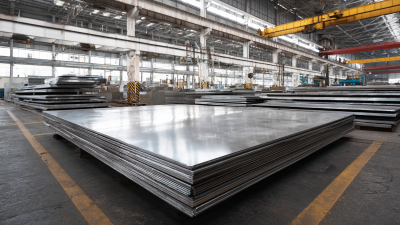
Thinking about buying aluminum sheets in 2026? It’s not just a simple checklist — you’ve got to be prepared for a pretty tricky landscape. Picking the right materials can seriously make or break your entire project. As industries keep changing and evolving, getting a good grip on market trends is more important than ever. Oh, and by the way, the 2024 Aluminum Sheet? That’s gonna play a big part in shaping where things are headed.
For global suppliers out there, the key is really focusing on quality and durability. Sure, price is important, but don’t forget — it’s all about getting good value. You’ll find some suppliers offering tempting prices, but sometimes they cut corners on quality. That’s why doing your homework is a must. Building solid partnerships usually comes down to trust, being reliable, and sticking to consistent quality. And if you’re a buyer, don’t hold back — ask the tough questions.
Looking back on past experiences can be super helpful, too. What worked? What didn’t? Maybe some purchases led to delays or even defects, and recognizing those mistakes can really help you make smarter choices next time around. As the aluminum market gets more competitive, everyone’s gotta keep up — or risk falling behind. It’s all about staying sharp and making informed decisions.

Understanding Aluminum Sheet Specifications for 2026
When considering aluminum sheet specifications for 2026, it's crucial to know your needs. Aluminum sheets come in various grades, thicknesses, and tempers. Each specification affects performance, weight, and cost. For instance, 6061 aluminum is versatile, while 5052 offers excellent corrosion resistance. Understand how these properties align with your project requirements.
Thickness matters, too. Common thicknesses range from 0.016 inches to 0.180 inches. The choice can impact structural integrity and machining processes. During your selection, think about how these factors influence your end product. Misjudging thickness could lead to issues later. It’s vital to balance strength with weight for optimal results.
Another aspect to consider is surface treatment. Options like anodizing or painting can enhance durability. However, these treatments can increase costs and lead times. Evaluate whether the benefits justify the investment. Sometimes, a simple finish may suffice. Remember, each decision in the buying process shapes the final outcome. Be prepared for trade-offs as you navigate your choices.
2026 Aluminum Sheet Buying Tips for Global Suppliers - Understanding Aluminum Sheet Specifications for 2026
| Specification |
Details |
Applications |
Thickness Range (mm) |
Weight (kg/m²) |
| 1050 |
High corrosion resistance, excellent workability |
Chemical and food processing |
0.2 - 10.0 |
2.7 |
| 2024 |
Good fatigue resistance, high strength |
Aerospace, automotive |
0.5 - 25.0 |
3.0 |
| 6061 |
Good mechanical properties, weldable |
Construction, marine |
0.5 - 30.0 |
2.7 |
| 7075 |
Highest strength, low stress corrosion |
Defense, aerospace |
1.0 - 20.0 |
3.0 |
Key Factors to Consider When Sourcing Aluminum Sheets Globally
When sourcing aluminum sheets globally, several key factors come into play. Quality is paramount. Look for suppliers that adhere to international standards, such as ISO 9001 certification. This ensures that the materials meet specific quality benchmarks. According to a 2022 industry report, 68% of manufacturers reported quality issues related to inconsistent specifications. Evaluating the quality control processes of potential suppliers can mitigate these risks.
Cost is another vital factor. The price of aluminum fluctuates based on market demand and availability. A recent analysis showed that raw aluminum prices can vary by as much as 30% within a single year. Understanding these market dynamics helps buyers make informed decisions. Additionally, consider the total cost of procurement. This includes shipping, tariffs, and potential delays that could affect project timelines.
Lastly, communication is essential. Time zone differences can complicate negotiations. Many global buyers report challenges in maintaining effective communication with suppliers. Establishing clear channels, potentially through digital platforms, can enhance collaboration. A survey from an industry think tank revealed that 45% of companies prioritize efficient communication when selecting suppliers. This shows the direct correlation between communication and successful sourcing outcomes.
Identifying Reliable Global Suppliers for Aluminum Sheets
When sourcing aluminum sheets globally, identifying reliable suppliers is crucial. Start by researching industry standards. Look for suppliers with certifications such as ISO or ASTM. These indicators often reflect their commitment to quality. Pay attention to their production capacity and delivery times. A supplier that can meet your needs efficiently can help you avoid delays in your projects.
Engaging with past clients can provide insights into a supplier's reliability. Ask for references and seek feedback about their experience. How responsive are they to inquiries? Did they meet deadlines? These questions can offer essential clarity. Evaluate their online presence as well. Websites and social media can reveal a lot about their reputation in the market.
Lastly, consider visiting the supplier's facility if possible. This helps establish trust. You can assess their operations directly. Building a relationship with suppliers may lead to better terms and collaboration. Keep in mind, even the most reputable suppliers may face challenges. Having open communication can aid in navigating potential issues that arise.
Pricing Trends and Cost Factors for Aluminum Sheets in 2026
In 2026, the pricing trends for aluminum sheets are expected to be influenced by various cost factors. According to a recent industry report, the global aluminum market may face a demand surge, driven by sectors like automotive and construction. This demand could lead to price increases of up to 5% throughout the year. Key players should keep an eye on these fluctuations.
The cost of raw materials remains a primary factor. Energy prices have historically impacted aluminum production costs. The International Aluminum Institute noted that energy accounts for about 30% of total production costs. Additionally, geopolitical tensions could alter supply chains, causing unpredictable price shifts. Suppliers may need adaptive strategies to navigate these challenges effectively.
Market dynamics also include recycling rates and environmental regulations. As the industry moves towards sustainable practices, the recycling rate of aluminum is projected to rise. This shift may reduce pressure on raw materials while introducing new cost elements associated with eco-friendly processes. Staying informed on these trends is crucial for making well-rounded purchasing decisions.
Quality Control Measures for Aluminum Sheet Purchases
When purchasing aluminum sheets, quality control is crucial. Ensuring material consistency can prevent costly errors in production. According to a report by the Aluminum Association, up to 30% of manufacturing issues stem from raw material discrepancies. Understanding the specifications of aluminum sheets is vital. Key measurements like thickness, width, and alloy types must align with the project requirements.
Implementing stringent quality control measures is essential. A study by ASTM International highlights that visual inspections alone are insufficient. Employing non-destructive testing methods can identify internal flaws. For instance, ultrasonic testing effectively checks for thickness uniformity and potential defects without damaging the material. Over 25% of buyers reported material defects due to inadequate inspection processes.
Documentation is a cornerstone of quality assurance. Buyers should require material certifications from suppliers. This includes chemical composition and mechanical properties. Discrepancies in documentation often lead to significant delays and added costs. Establishing a robust auditing system can help mitigate risks. Regularly reviewing supplier performance ensures adherence to agreed standards. Quality should never be compromised in material selection.
Sustainability Practices in Aluminum Sheet Manufacturing
Sustainability is increasingly vital in aluminum sheet manufacturing. Industry reports indicate that around 75% of aluminum produced is still in use today. This highlights the metal's recyclability. The average energy consumption for primary aluminum production can be staggering. However, recycling aluminum uses 95% less energy. This stark contrast pushes companies to prioritize sustainable practices.
Adopting eco-friendly methods can significantly reduce carbon footprints. Many manufacturers utilize renewable energy sources, like solar and wind. This transition is crucial, as the aluminum sector contributes nearly 1.8% of global greenhouse gas emissions. Companies focused on sustainability are more likely to attract environmentally conscious buyers.
Choosing suppliers who demonstrate a commitment to sustainability can be a prudent decision. Look for those with certifications in sustainable practices. Certifications can often indicate a company's adherence to environmental standards. Research their recycling programs, as effective recycling practices yield a better product life cycle. It's essential to assess what sustainability means for each supplier. Not all companies approach sustainable practices equally, and reflection on these methods can lead to better purchasing choices.
2026 Aluminum Sheet Sustainability Practices
Logistics and Shipping Considerations for Aluminum Sheets
When sourcing aluminum sheets, logistics is a critical factor. Transportation methods can significantly impact costs. Choosing sea freight may save money, but it also extends delivery times. Air freight is faster but considerably more expensive. Understanding these trade-offs is essential for budgeting and planning.
Don’t overlook packaging. Proper packaging protects aluminum sheets during transit. Poor packaging can lead to damage, resulting in delays and additional costs. It’s wise to discuss packaging options with suppliers to ensure products arrive in top condition.
Also, consider the weight and volume of shipments. This can influence shipping rates and lead times.
Be aware of customs regulations. Different countries have varying import rules. Delays at customs can disrupt supply chains. Staying informed about these regulations is critical for smooth logistics. Working with experienced freight forwarders can help navigate these complexities. They provide valuable expertise in managing shipments effectively.
FAQS
: Assess the grade, thickness, and temper. Each influences performance, weight, and cost.
Thickness impacts structural integrity and machining. Choosing the wrong thickness may cause issues down the line.
Anodizing and painting enhance durability, but they may increase costs and lead times.
Ensuring material consistency prevents costly errors. Discrepancies can lead to production issues.
Non-destructive testing, like ultrasonic methods, helps identify internal flaws without damaging the material.
Buyers should obtain material certifications detailing chemical composition and mechanical properties.
Transportation choices can impact costs and delivery times. Consider trade-offs during budgeting.
Proper packaging protects sheets from damage during transit. Poor packaging can result in costly delays.
Different countries have different rules. Being informed can help avoid disruptions in the supply chain.
Regularly review and audit suppliers. This prevents discrepancies and maintains quality standards.
Conclusion
The article "2026 Aluminum Sheet Buying Tips for Global Suppliers" provides essential insights for procuring aluminum sheets in 2026, with a strong emphasis on understanding specifications and sourcing practices. Buyers are guided on critical factors to consider, such as material thickness, alloy types, and surface treatments, which are pivotal for fulfilling project requirements.
Moreover, the discussion includes identifying reliable global suppliers and the importance of evaluating their quality control measures. Pricing trends and cost factors are analyzed for informed purchasing, and sustainability practices in the aluminum sheet manufacturing process are highlighted, reflecting growing industry standards. With respect to logistics, the article outlines key shipping considerations that can impact delivery schedules and costs, ensuring a comprehensive strategy for buyers, including those looking ahead to future miltary and infrastructure needs involving 2024 Aluminum Sheet specifications.